Routing optimisation seems simple. Pick a path. Go. Done.. Reality says otherwise. 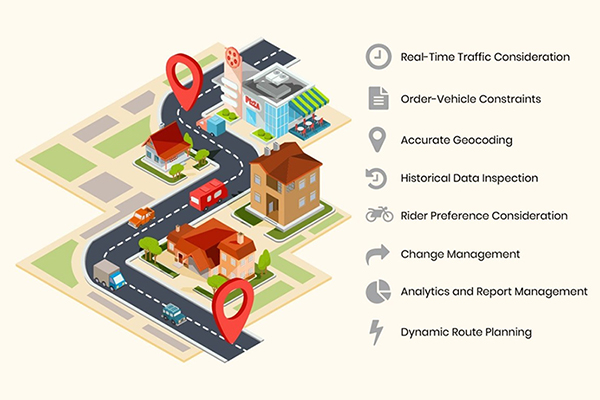 Any motorist can confirm this, especially during rush hour. Digital maps promise shortcuts. Roads deliver delays. What looked like a pleasant morning drive turns painful by noon. Optimising routes creates pressure. Time battles distance. Fuel costs compete with schedules. Drivers challenge navigation apps. The aim isn’t flawless routing. It’s fewer bad surprises. Planning a route is like cooking. The plan looks simple. The stove disagrees. You make changes. Routes work the same way. Traffic is unpredictable. Fine one moment, impossible the next. Data reduces uncertainty. Real-time traffic, history, and weather. Driver delays count too. Routes stop being guesses. They turn statistical. That change matters. A lot. A fleet supervisor reported success. It wasn’t money-related. It was reduced complaints. Drivers stopped calling. Customers stopped escalating. Silence replaced chaos. Results improved. Miles can be misleading. Extra miles can save time. Smooth flow beats short distance. The impact is immediate. Fewer stops, better flow. Routing also removes waste. Extra turns, backtracking, delays. Small savings compound. Multiply by weeks and fleets. The math gets loud. The secret is flexibility. Conditions change daily. Weather changes everything. Good systems pivot fast. No chaos. No rerouting stress.. Routing isn’t limited to trucks. Mobile teams everywhere. A utility cut overtime hours. Same people. Smarter paths.. People are still critical. Drivers know shortcuts apps don’t. Dispatchers know customer moods. Technology and humans must align. There’s irony as well. A driver joked about his GPS. It hoped congestion would vanish. Reality corrected it. Facts prevailed gently. Delays feel worse route optimization pdf today. Drivers take it personally. That’s why smart routing matters. Less guessing, more knowing. No route is ideal. But progress is real. And on real streets, that’s a win.